Dental Bone Graft Surgery in Ottawa
Rebuild Your Foundation at BluSky Dental

What Is Dental Bone Grafting?
When jaw bone loss threatens your oral health or candidacy for dental implants, bone grafting offers a solution. At BluSky Dental Holland Cross, we provide expert bone graft surgery to regenerate jaw bone, restore facial structure, and create the foundation needed for successful tooth replacement. Our Ottawa oral surgery team uses advanced techniques and materials for predictable, lasting results.
Serving Westboro, Hintonburg, Wellington West, Little Italy, and Downtown Ottawa with specialized bone regeneration procedures.
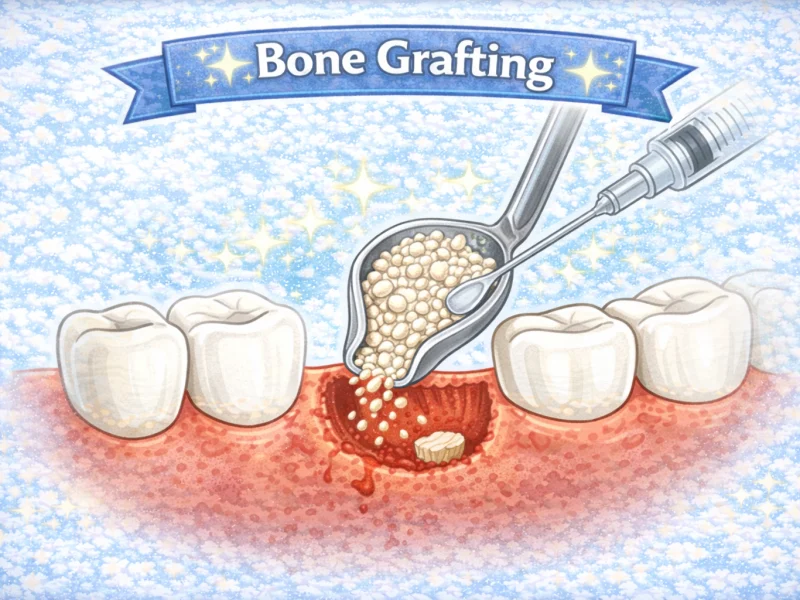
Dental bone grafting is a surgical procedure that rebuilds jaw bone lost due to tooth extraction, periodontal disease, trauma, or natural resorption. During the procedure, bone graft material is placed at the deficient site to serve as a scaffold for new bone growth. Over several months, your body remodels this material into natural, living bone.
This regenerated bone provides the foundation for dental implants, improves support for existing teeth, and helps preserve facial structure. For many Westboro and Hintonburg patients considering implants, bone grafting makes the difference between qualifying for treatment and being told implants aren't possible.
Why Jaw Bone Loss Occurs
The Tooth-Bone Connection
Your jaw bone exists to support your teeth. When teeth are present, chewing forces stimulate the bone, maintaining its density and volume. When teeth are lost, this stimulation disappears, and the bone begins to resorb—shrinking in both height and width.
Studies show that up to 50% of bone width can be lost within the first year after tooth extraction if no preservation steps are taken. This natural process, called resorption, continues over time.
Common Causes of Bone Loss
- Tooth extraction - Bone resorbs rapidly without tooth root stimulation
- Periodontal disease - Bacterial infection destroys bone around teeth
- Long-term denture wear - Pressure on gums accelerates bone loss
- Trauma or injury - Direct damage to jaw bone
- Developmental defects - Congenital bone deficiencies
- Tumors or cysts - Pathology requiring bone removal
Learn more about Gum Disease →
Learn more about Periodontitis →
Consequences of Untreated Bone Loss
Without intervention, bone loss leads to:
- Implant ineligibility - Insufficient bone for implant placement
- Facial changes - Sunken appearance, premature aging
- Denture problems - Poor fit, discomfort, difficulty eating
- Remaining teeth at risk - Compromised support for adjacent teeth
- Shifting teeth - Teeth move into spaces, affecting bite
Early bone grafting can prevent these problems and preserve your options for future treatment.
Types of Bone Grafts We Offer
Socket Preservation Graft
Performed immediately after tooth extraction, socket preservation grafting prevents the bone loss that normally follows extraction. Bone graft material fills the empty socket, maintaining bone volume for future implant placement or other treatment.
This proactive approach at our Holland Cross office preserves bone rather than trying to rebuild it later—often resulting in better outcomes and simpler implant procedures.
Learn more about Tooth Extractions →
Ridge Augmentation
When bone has already been lost, ridge augmentation rebuilds the deficient area. This procedure increases both the height and width of the alveolar ridge (the bony ridge that normally contains tooth sockets), creating adequate volume for implant placement.
Ridge augmentation is often necessary when teeth have been missing for extended periods or when significant bone was lost due to infection or extraction complications.
Sinus Lift (Sinus Augmentation)
For implants in the upper back jaw, the maxillary sinus may be too close to the bone crest after extraction. A sinus lift raises the sinus membrane and places bone graft material beneath it, creating sufficient bone height for implant placement in this challenging area.
Block Bone Graft
When substantial bone regeneration is needed, a block graft transplants a section of bone from another site (often the chin or back of the jaw) to the deficient area. This technique provides excellent results for significant defects but requires harvesting bone from a donor site.
Guided Bone Regeneration (GBR)
GBR uses a membrane barrier to protect the bone graft from soft tissue cells that might otherwise interfere with bone regeneration. This technique is often combined with other grafting procedures to optimize results.
Bone Graft Materials Explained
Autogenous Bone (Your Own Bone)
Considered the "gold standard," autogenous bone is harvested from another site in your body—typically the chin, jaw, or hip. It contains living cells that actively promote bone formation.
Advantages: Contains live bone cells, no rejection risk, excellent integration
Considerations: Requires second surgical site, limited quantity available
Allograft (Donor Bone)
Allograft uses processed bone from human donors (typically cadaver bone from tissue banks). The bone is thoroughly sterilized and processed to remove cellular components while preserving the mineral structure.
Advantages: No second surgical site, abundant supply, good results
Considerations: Slightly slower integration than autogenous bone
Xenograft (Animal-Derived Bone)
Xenograft uses processed bone from animal sources, typically bovine (cow). Like allograft, it's thoroughly processed to remove organic components, leaving a mineral scaffold for bone growth.
Advantages: Readily available, slow resorption supports gradual replacement
Considerations: Some patients prefer non-animal alternatives
Synthetic Materials
Various synthetic bone graft materials are available, including calcium phosphate ceramics and bioactive glass. These materials don't contain any biological tissue and are completely lab-created.
Advantages: No disease transmission risk, consistent properties, vegan-friendly
Considerations: May integrate more slowly than biological materials
Our Westboro team recommends the most appropriate material based on your specific situation, the type of graft needed, and your preferences.
The Bone Graft Procedure at BluSky Dental
Comprehensive Consultation
Your treatment begins with thorough evaluation at our Holland Cross location:
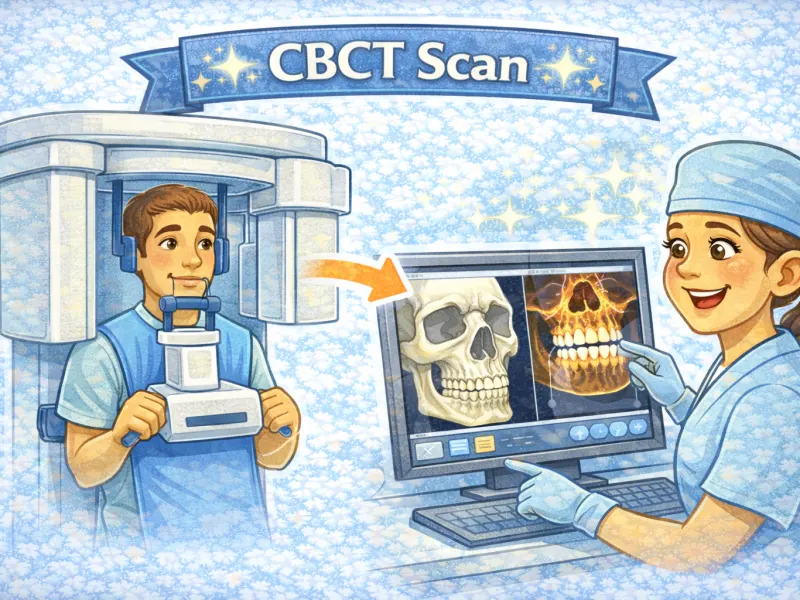
- 3D CBCT imaging - Precise measurement of bone volume
- Medical history review - Identify factors affecting healing
- Treatment planning - Determine optimal graft approach
- Material selection - Choose appropriate graft material
- Timeline discussion - Plan for grafting and subsequent treatment
Learn more about 3D Digital Imaging →
Surgical Procedure
Bone graft surgery is typically performed under local anesthesia at our Westboro office. Sedation options ensure comfort for anxious patients or more extensive procedures.
The procedure involves:
- Anesthesia administration - Complete numbing of the surgical area
- Tissue reflection - Gentle separation of gum tissue from bone
- Site preparation - Cleaning and preparing the bone surface
- Graft placement - Precise positioning of bone graft material
- Membrane placement - Protective barrier if using GBR technique
- Closure - Secure suturing of soft tissue
Most procedures take 45-90 minutes depending on the extent of grafting needed.
Learn more about Sedation Dentistry →
Recovery Process
Days 1-3: Mild to moderate swelling and discomfort. Apply ice packs to reduce swelling. Take prescribed medications. Rest and limit activity.
Week 1-2: Swelling gradually subsides. Soft diet continues. Avoid surgical area when brushing. Keep follow-up appointment.
Weeks 3-6: Soft tissue heals. Normal diet gradually resumes. Bone integration begins.
Months 3-6: Bone regeneration continues. Periodic imaging monitors progress. Preparation for implant placement.
Our team provides detailed aftercare instructions and is available throughout your recovery.
When Is Bone Grafting Necessary?
Before Dental Implants
The most common reason for bone grafting is to create adequate foundation for dental implants. Implants require specific bone dimensions for:
- Primary stability - Secure initial placement
- Long-term success - Lasting integration and support
- Aesthetic results - Proper emergence and appearance
If imaging reveals insufficient bone, grafting builds the necessary volume.
Learn more about 3D-Guided Implant Surgery →
After Tooth Extraction
Socket preservation at the time of extraction prevents the bone loss that otherwise occurs. This is especially important when:
- Future implant placement is planned
- Preserving ridge contour for aesthetics
- Maintaining bone for bridge support
To Treat Periodontal Bone Loss
Advanced gum disease destroys bone around teeth. Bone grafting can regenerate some of this lost support, potentially saving teeth that might otherwise be lost.
Learn more about Periodontal Care →
To Improve Denture Fit
Severe bone loss makes denture fit and retention difficult. Ridge augmentation can rebuild bone volume, improving denture stability and comfort.
Benefits of Dental Bone Grafts
Enables Dental Implant Treatment
For many patients, bone grafting transforms "you can't have implants" into "yes, implants are possible." This opens the door to the most natural, functional tooth replacement available.
Preserves Facial Structure
Jaw bone provides the framework for your facial features. By maintaining or restoring bone volume, grafting helps preserve your natural appearance and prevent the sunken look associated with significant tooth loss.
Protects Remaining Teeth
Adequate bone support is essential for tooth stability. Bone grafting can reinforce areas of weakness, protecting your remaining natural teeth.
Improves Long-Term Outcomes
Dental implants placed in adequate bone have higher success rates and longer lifespans. The investment in bone grafting pays dividends in long-term treatment success.
Provides Foundation for Various Treatments
Beyond implants, healthy bone volume supports bridges, dentures, and orthodontic treatment, providing more options for restoring your smile.
Why Choose BluSky Dental for Bone Grafts
Advanced Imaging Technology
Our Holland Cross location features 3D CBCT imaging for precise treatment planning. This technology allows us to visualize bone defects in three dimensions, plan optimal graft placement, and predict outcomes accurately.
Experienced Surgical Team
Our dentists have extensive training and experience in bone grafting procedures. We stay current with the latest techniques and materials to provide optimal outcomes for our Ottawa patients.
Comprehensive Care
From initial evaluation through implant placement and restoration, we provide complete treatment under one roof. This continuity ensures seamless care and optimal results.
Comfort-Focused Approach
We understand that oral surgery can be anxiety-provoking. Our Westboro team prioritizes your comfort with gentle technique, sedation options, and thorough post-operative support.
Frequently Asked Questions
Bone graft costs vary depending on the type and extent of grafting needed, the materials used, and whether it's combined with other procedures. During your consultation at BluSky Dental, we provide a detailed treatment plan with costs and discuss insurance coverage and payment options.
While bone graft failure is uncommon (occurring in 5-10% of cases), risk factors include smoking, uncontrolled diabetes, infection, and poor oral hygiene. Following post-operative instructions and maintaining good oral health significantly reduce failure risk.
Many dental insurance plans cover bone grafting when it's medically necessary for procedures like implant placement. Our team helps verify your benefits and maximize your coverage.
Most patients wait 3-6 months after bone grafting before implant placement, allowing complete bone integration. Some smaller grafts heal more quickly, while larger grafts may need additional time. We monitor healing with imaging to determine optimal timing.
After bone graft surgery, avoid smoking, drinking through straws, spitting, or vigorous rinsing for at least 24 hours. Avoid the surgical site when brushing, eat soft foods, and refrain from strenuous exercise for several days. Full restrictions are provided in your post-operative instructions.
Schedule Your Bone Graft Consultation
Don't let bone loss limit your dental treatment options. At BluSky Dental Holland Cross, our expert team provides skilled, compassionate bone grafting to rebuild your foundation and restore your smile possibilities. Our Westboro location serves patients from throughout Ottawa seeking specialized oral surgery.
Call: (613) 728-1511
Address: 20 – 1620 Scott Street, Ottawa, ON K1Y 4S7
At BluSky we BEElieve in bringing life to your smile. 🐝