
Gentle Tooth Extractions in Ottawa
Comfortable tooth removal with modern techniques and sedation options

Comfortable Tooth Removal in Westboro
While we always strive to save natural teeth, sometimes extraction is the best option for your oral health. At BluSky Dental Holland Cross, we perform gentle, comfortable tooth extractions using modern techniques and anesthesia options that minimize discomfort. Our Westboro patients consistently tell us their extractions were much easier than expected—and we want the same positive experience for you.
Whether you need an emergency extraction for a painful tooth, removal of a damaged tooth, or preparation for orthodontics or dentures, our experienced team ensures your comfort throughout the procedure. We understand that the thought of having a tooth pulled can be anxiety-inducing, which is why we offer sedation options and compassionate care at every step.
Serving Westboro, Hintonburg, Wellington West, Little Italy, and Downtown Ottawa.
When Is Tooth Extraction Necessary?
While extraction is typically a last resort, several situations may require tooth removal:
Common Reasons for Tooth Extraction:
- Severe Decay – When a tooth is too damaged by decay to be restored with a filling, crown, or root canal
- Advanced Gum Disease – Periodontal disease that has loosened teeth by destroying supporting bone
- Tooth Infection – Abscesses or infections that cannot be resolved with root canal treatment
- Broken or Cracked Teeth – Damage extending below the gum line that cannot be repaired
- Impacted Teeth – Teeth (commonly wisdom teeth) that cannot erupt properly
- Overcrowding – Removing teeth to make room for orthodontic treatment
- Preparation for Dentures – Extracting remaining teeth before full denture placement
- Failed Root Canal – Teeth where previous root canal treatment has failed
- Baby Teeth That Won't Fall Out – Primary teeth blocking permanent tooth eruption
During your consultation at our Holland Cross office, we'll thoroughly evaluate your tooth and discuss whether extraction is truly necessary, or if alternatives exist.
Types of Tooth Extractions
We perform two main types of extractions depending on your tooth's condition:
Simple Extraction
Simple extractions are performed on teeth that are visible above the gum line and have straightforward root structures. The procedure involves:
- Local anesthesia to numb the area
- Loosening the tooth with an elevator instrument
- Removing the tooth with dental forceps
- Applying gauze to control bleeding
Most simple extractions take just 20-40 minutes and require minimal recovery time.
Common situations for simple extraction: Decayed teeth that are still intact, teeth loosened by gum disease, baby teeth that need help falling out, teeth being removed for orthodontic purposes.
Surgical Extraction
Surgical extractions are necessary for more complex situations, such as teeth that are broken at the gum line, impacted teeth, or teeth with curved or unusual roots. The procedure may involve:
- Stronger anesthesia or sedation
- A small incision in the gum
- Removal of bone tissue if needed
- Sectioning the tooth into pieces for easier removal
- Stitches to close the incision
While surgical extractions take longer and require more recovery time, our gentle techniques minimize trauma and promote faster healing.
Common situations for surgical extraction: Impacted wisdom teeth, broken teeth below the gum line, teeth with curved or multiple roots, failed root canal teeth with anchored posts.
Our Gentle Extraction Process
At BluSky Dental, we've refined our extraction process to ensure your comfort:
Step 1: Thorough Evaluation
Before any extraction, we'll:
- Take X-rays to assess tooth and root structure
- Review your medical history and medications
- Discuss any concerns or anxieties you have
- Explain the procedure in detail
- Discuss anesthesia and sedation options
Step 2: Anesthesia and Comfort
Your comfort is our priority:
- Local anesthesia completely numbs the extraction area
- You'll feel pressure but not pain during the procedure
- Sedation options available for anxious patients: nitrous oxide (laughing gas), oral sedation, or IV sedation
Step 3: Gentle Removal
Using precise techniques:
- We use specialized instruments to carefully loosen the tooth
- Modern tools minimize trauma to surrounding tissue
- The tooth is removed with controlled, gentle movements
- The socket is cleaned to ensure no debris remains
Step 4: Post-Extraction Care
After removal:
- Gauze is placed to control bleeding
- Detailed aftercare instructions are provided
- Pain medication is prescribed if needed
- Follow-up appointment scheduled if necessary
- Replacement options discussed
Many patients are surprised at how quick and comfortable the procedure is. Our Hintonburg-area patients frequently tell us their extraction was much easier than they anticipated.
Sedation Options for Comfortable Extractions
We understand dental anxiety is real. That's why we offer multiple sedation options:
Nitrous Oxide (Laughing Gas)
This mild sedative is inhaled through a mask, providing relaxation while you remain conscious and responsive. Effects wear off quickly, so you can typically drive yourself home afterward.
Ideal for: Mild to moderate anxiety, shorter procedures
Oral Sedation
A prescribed medication taken before your appointment creates a deeper state of relaxation. You'll be awake but very calm and may not remember much of the procedure.
Ideal for: Moderate anxiety, longer or multiple extractions
IV Sedation
For severe anxiety or complex extractions, IV sedation provides deep relaxation. You'll be in a twilight state—conscious but deeply relaxed with little to no memory of the procedure.
Ideal for: Severe dental anxiety, surgical extractions, multiple teeth
We'll discuss which option is best for you during your consultation.
Aftercare: Ensuring Smooth Recovery
Following our aftercare instructions is crucial for comfortable, complication-free healing:
First 24 Hours:
- Bite on gauze for 30-45 minutes to control bleeding
- Rest with your head elevated
- Apply ice to reduce swelling (20 minutes on, 20 off)
- Avoid straws, spitting, smoking, and rinsing
- Take prescribed pain medication as directed
- Eat only soft, lukewarm foods
Days 2-7:
- Rinse gently with warm salt water after 24 hours
- Brush carefully avoiding the extraction site initially
- Continue with soft foods, gradually returning to normal diet
- Avoid strenuous activity for 2-3 days
- Watch for signs of dry socket or infection
What to Watch For:
Contact our office if you experience:
- Severe pain that doesn't improve with medication
- Excessive bleeding that won't stop
- Fever or chills
- Pus or unusual discharge
- Numbness lasting more than 24 hours
- Difficulty swallowing or breathing
Understanding Dry Socket
Dry socket (alveolar osteitis) is a common concern after extraction. It occurs when the blood clot that forms in the socket is dislodged or dissolves before healing is complete, exposing the underlying bone.
Symptoms of Dry Socket:
- Severe pain 2-4 days after extraction
- Pain radiating to ear, eye, or neck
- Visible bone in the socket
- Bad breath or unpleasant taste
Prevention:
- Avoid smoking for at least 72 hours (ideally longer)
- Don't use straws for 24-48 hours
- Follow all aftercare instructions
- Avoid vigorous rinsing or spitting
- Don't touch the extraction site
If dry socket occurs, contact us immediately. We can provide treatment to relieve pain and promote healing.
Tooth Replacement Options
After extraction, you'll want to consider tooth replacement (except for wisdom teeth). Missing teeth can lead to:
- Shifting of remaining teeth
- Bite problems
- Jawbone deterioration
- Difficulty chewing
- Changes to facial appearance
Replacement Options We Offer:
Dental Implants – The gold standard, providing permanent, natural-looking replacement that preserves bone
Dental Bridges – Fixed restoration anchoring to adjacent teeth, ideal for replacing one or several teeth
Partial Dentures – Removable appliance replacing multiple missing teeth
Full Dentures – Complete arch replacement when all teeth are missing
During your extraction appointment or follow-up, we'll discuss which option best fits your needs, timeline, and budget.
Emergency Tooth Extractions
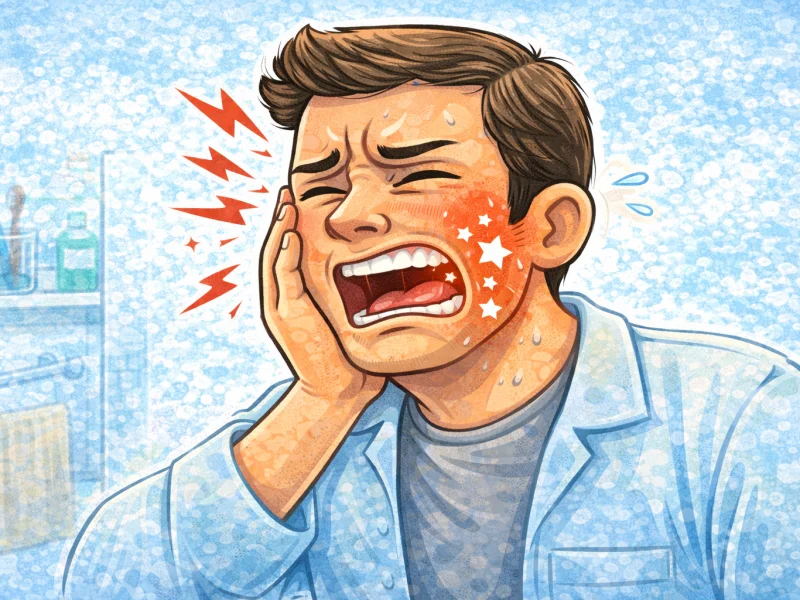
Dental emergencies don't wait, and neither do we. If you're experiencing severe tooth pain, infection, or trauma, we offer same-day emergency extraction appointments at our Westboro location.
Signs You Need Emergency Extraction:
- Severe, uncontrollable pain
- Significant swelling in face or jaw
- Signs of spreading infection
- Trauma causing tooth to be knocked loose
- Broken tooth with exposed nerve
Emergency Line: (613) 728-1511
Extraction Cost and Insurance
At BluSky Dental, we believe necessary dental care should be accessible:
Typical Costs:
- Simple extraction: $150-$350
- Surgical extraction: $300-$500+
- Wisdom tooth extraction: $300-$600 per tooth
Insurance Coverage
Most dental insurance plans cover extractions, especially when medically necessary. Our team verifies your coverage and handles direct billing to maximize your benefits.
Payment Options
For any out-of-pocket costs:
- Major credit cards accepted
- Direct insurance billing

Why Choose BluSky Dental for Extractions?
Gentle, Experienced Care
Our dentists have performed thousands of extractions with consistently excellent outcomes. We use the gentlest techniques available to minimize trauma and discomfort.
Advanced Technology
Digital X-rays provide detailed images for precise treatment planning. Our modern instruments and techniques make extractions faster and more comfortable.
Comprehensive Sedation Options
From laughing gas to IV sedation, we have options for every comfort level. No one should avoid needed treatment due to anxiety.
Same-Day Availability
Tooth pain shouldn't wait. We offer same-day emergency appointments for patients in need throughout Westboro, Hintonburg, Wellington West, and Downtown Ottawa.
Full-Service Practice
From extraction through replacement, we handle everything in-house. Your care is coordinated and seamless.
Frequently Asked Questions
Simple extractions typically take 20-40 minutes, including preparation time. Surgical extractions may take 45-60 minutes depending on complexity. We'll provide a time estimate during your consultation so you can plan accordingly.
For most extractions, yes—you'll be awake but the area is completely numb, so you won't feel pain. If you prefer, sedation options can put you in a relaxed, semi-conscious state where you're aware but calm and comfortable.
Many patients return to work the next day after simple extractions. For surgical extractions or if sedation was used, plan for 1-2 days of recovery. Avoid strenuous physical work for 3-5 days.
If only local anesthesia was used, yes. If you received any form of sedation (nitrous oxide, oral sedation, or IV sedation), you'll need someone to drive you home.
We understand! Many patients share this fear. Our sedation options, gentle approach, and compassionate team help even the most anxious patients get through extractions comfortably. Let us know about your concerns—we're here to help.
Schedule Your Extraction Consultation
If you have a tooth that's causing pain or has been recommended for extraction, don't wait. At BluSky Dental Holland Cross, we'll evaluate your tooth, explain your options, and—if extraction is needed—make the process as comfortable as possible. Patients from throughout Westboro, Hintonburg, Wellington West, Little Italy, and Downtown Ottawa trust BluSky Dental for gentle, professional extractions.
Call: (613) 728-1511
Address: 20 – 1620 Scott Street, Ottawa, ON K1Y 4S7
Email: hollandcrossreception@blusky.dental
Hours: Monday – Friday: 8:00 AM – 5:00 PM
At BluSky we BEElieve in bringing life to your smile. 🐝